
Cultural traditions hold immense significance in our world. They connect us to our roots, shape our identities, and foster a sense of belonging. By delving into the customs and rituals of different cultures, we can gain a deeper understanding of their values, beliefs, and way of life. In this article, we will embark on a journey to explore and unveil a few captivating cultural traditions from around the world.

The Significance of Cultural Traditions
Cultural traditions play a vital role in preserving our heritage and passing down the wisdom of our ancestors. They provide a sense of continuity and help us connect with our past. Furthermore, these traditions foster a sense of community and togetherness, strengthening social bonds among individuals who share a common cultural background.
Customs and Rituals from Around the World:
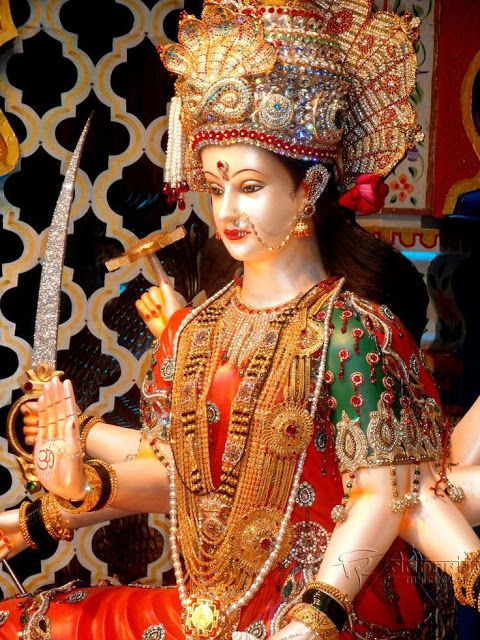
Diwali: The festival of lights, is one of the most anticipated celebrations in Hindu culture. It signifies the triumph of light over darkness and good over evil. During Diwali, people light oil lamps called diyas, create intricate Rangoli patterns, exchange sweets, and offer prayers to deities. This joyous festival brings families and communities together in love and gratitude.
Chinese New Year: also known as the Spring Festival, is an enchanting celebration filled with vibrant colors and age-old customs. From the exhilarating lion dance to the exchange of red envelopes, this festival symbolizes good fortune, prosperity, and family reunion. The festivities last for 15 days and culminate with the Lantern Festival.
Day of the Dead: In Mexico, the Day of the Dead, or Dia de los Muertos, is a colorful and meaningful commemoration of deceased loved ones. Families create vibrant altars adorned with marigold flowers, photographs, and their departed relatives’ favorite foods and beverages. They believe that during this time, the souls of the departed return to celebrate and be reunited with their familieCarnival: Carnival is a vibrant and exuberant celebration observed in many countries, with the most famous one held in Rio de Janeiro, Brazil. Colorful parades, dazzling costumes, and infectious music fill the streets as people dance and revel in the festive spirit. Carnival is a time for letting go, embracing joy, and celebrating life’s abundance.
Ramadan: Ramadan is a sacred month of fasting observed by Muslims worldwide. From sunrise to sunset, individuals abstain from food and drink, engaging in prayer, introspection, and acts of charity. The breaking of the fast, known as Iftar, is a communal gathering that brings families and friends together to share meals and express gratitude for the blessings received.
Thanksgiving day: observed in the United States and Canada, is a time for gratitude and appreciation. Families gather to share a bountiful meal, expressing thanks for the blessings received throughout the year. It’s a cherished tradition that reminds us to reflect on our blessings, foster togetherness, and extend acts of kindness to others.
Cultural Traditions and Identity:

Cultural traditions are a cornerstone of identity. They shape our perspectives, values, and sense of self. These traditions are often passed down through generations, connecting us to our ancestors and preserving our cultural heritage. By participating in and honoring these customs, individuals and communities develop a strong sense of pride and belonging cultural traditions, which are tightly woven into the fabric of our being, serve as powerful markers of identity. They enlighten our perspectives, ignite the flames of our ideals, and strengthen our sense of self. These traditions, like an immortal light, transcend time, linking us to our forefathers and conserving our rich cultural legacy. Individuals and communities develop an unbreakable sense of pride and belonging by actively participating in and reverencing these practices, embracing the bright threads of their collective identity.
Importance of Cultural Understanding:
Understanding cultural traditions is critical for developing mutual respect and admiration across varied cultures. It enables us to overcome cultural divides by encouraging empathy and eliminating prejudice. We obtain a better grasp of the values and ideas that influence people’s lives by reaching into the customs and rituals of diverse civilizations. This understanding aids in the development of cultural sensitivity, allowing us to engage politely and successfully with people from other backgrounds.
Furthermore, understanding cultural customs enables us to appreciate and maintain each community’s distinct legacy. Cultural traditions are a witness to a society’s history and growth, reflecting its people’s difficulties, accomplishments, and aspirations. By embracing these traditions, we can assure their survival for future generations, preserving the rich fabric of our culture.
Conclusion:
Embarking on a journey to explore cultural traditions opens our hearts and minds to the rich tapestry of human experiences. By unveiling customs and rituals from around the world, we celebrate the beauty and diversity of our shared global heritage. Let us embrace cultural traditions as a source of inspiration, knowledge, and unity, and strive to create a world where everyone’s unique customs are respected and celebrated.