
In a world often marked by the relentless pace of life and the chaos of modernity, finding solace and healing can be a profound challenge. But what if I told you that the brush of a paintstroke, the swirl of colors on a canvas, or the shaping of clay could be your path to tranquility and well-being? Welcome to the world of art therapy, where creativity becomes a powerful tool for healing, self-discovery, and emotional restoration.
Amid the stresses of daily existence, art therapy emerges as a beacon of hope—a therapeutic practice that bridges the realms of psychology and artistic expression. In this article, we embark on a journey into the realm of “Art therapy.” Together, we will explore the transformative power of art, uncover the myriad benefits it bestows upon individuals, and unveil how this unique approach to therapy opens doors to self-exploration, resilience, and a newfound sense of inner peace. So, let’s dip our brushes into the vibrant palette of art therapy and discover how creativity can be a profound catalyst for healing.
Defining Art Therapy: Unveiling the Creative Cure
Art therapy is not simply an art class, nor is it limited to the realm of professional artists. Instead, it’s a therapeutic approach that combines the expressive power of art with the principles of psychology to promote emotional, mental, and even physical healing. At its essence, art therapy serves as a safe and structured space where individuals can engage in creative processes to explore their thoughts, emotions, and experiences.
This dynamic form of therapy doesn’t require any prior artistic talent or training. Instead, it invites participants to pick up a range of art materials, from paints and pencils to clay and collage, and express themselves freely. In the creative act of making art, individuals can bypass verbal communication and delve into their subconscious. Through colors, shapes, and textures, they unveil hidden feelings, unravel complex issues, and build a bridge between the conscious and the unconscious minds.
In essence, art therapy operates on the principle that creative expression can foster self-awareness, self-acceptance, and self-empowerment. It taps into the inherent human capacity to create and, in doing so, helps individuals confront challenges, process trauma, reduce stress, and ultimately embark on a profound journey of healing and well-being.
Learn more about professional approaches to this field from the American Art Therapy Association
The Healing Power of Art Therapy: Benefits Unveiled
Art therapy offers a myriad of benefits that extend beyond the canvas, reaching into the realm of emotional, psychological, and even physical well-being. Here are some key advantages:
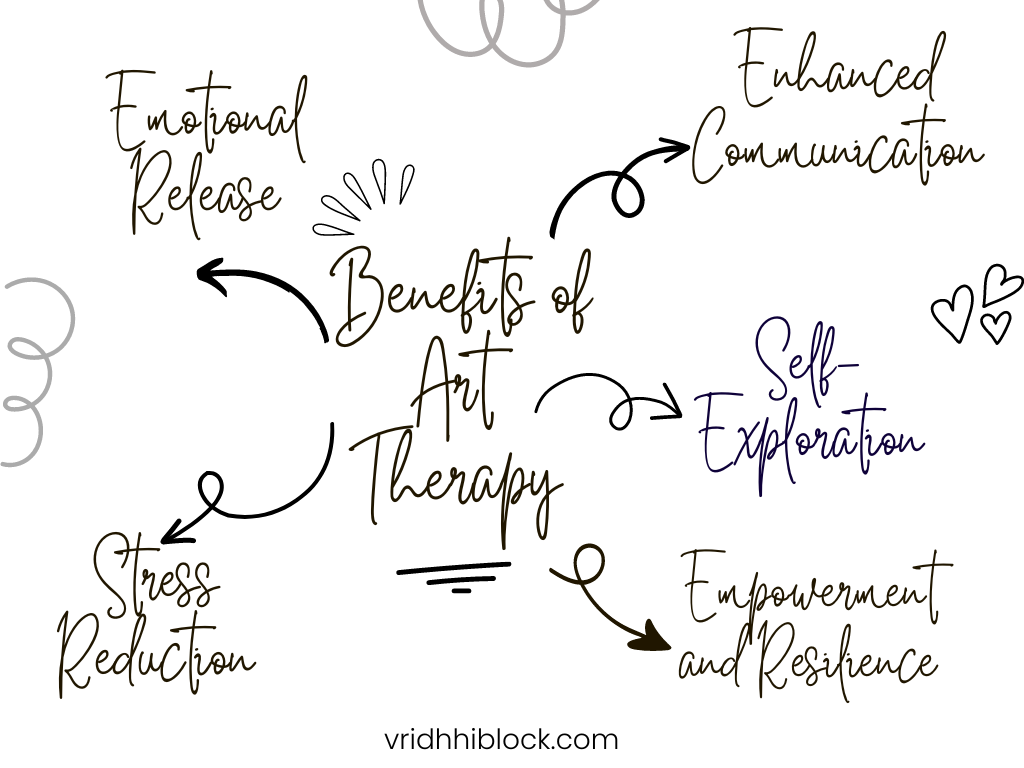
- Emotional Release: Art therapy provides a safe outlet for emotions that may be difficult to express verbally. For example, an individual grappling with grief may find solace in creating a painting that embodies their feelings of loss. By externalizing these emotions through art, individuals can gain a sense of catharsis and relief.
- According to Positive Psychology, art therapy boosts cognitive function while reducing anxiety and depression.
- Stress Reduction: Engaging in creative activities can significantly reduce stress. The process of making art encourages mindfulness and a focus on the present moment, diverting attention from sources of stress. Creating art also triggers the release of endorphins, the body’s natural stress relievers.
- Self-Exploration: Art therapy promotes self-awareness and self-reflection. Through their creative work, individuals can gain insight into their thoughts, feelings, and behaviors. For example, someone struggling with anxiety may create a series of drawings that reveal recurring themes, enabling them to explore the root causes of their anxiety.
- Enhanced Communication: Art can serve as a powerful tool for communication, particularly for those who find it challenging to express themselves verbally. This benefit is especially profound when working with children or individuals with autism spectrum disorders. For instance, a child with autism may use drawings to convey their needs or feelings, offering valuable insights to therapists and caregivers.
- Empowerment and Resilience: Creating art can boost self-esteem and resilience. As individuals see their creative abilities grow and witness the tangible results of their artistic endeavors, they gain a sense of accomplishment. This newfound confidence can spill over into other areas of life, encouraging them to tackle challenges and setbacks with greater resilience.
Incorporating art therapy into one’s life can lead to these profound benefits, offering a unique path to healing and well-being. Whether facing emotional challenges, seeking personal growth, or simply desiring a creative outlet, art therapy provides a versatile and holistic approach to self-discovery and healing.
Art therapy is also beneficial for kids and teens, especially those who struggle with verbal expression.
🧘♀️ If you’re interested in broader wellness techniques, check out our blog: Wellness Retreats: Unlock Inner Peace and Transform Your Life
Art Therapy Techniques and Activities for Emotional Well-being
In the fast-paced and often overwhelming world we live in, finding effective ways to cope with emotions and express oneself can be challenging. Art therapy offers a creative and therapeutic outlet for individuals who may find it difficult to verbalize their feelings. Here, we explore various art therapy techniques and activities that can help address specific emotions and promote emotional well-being.
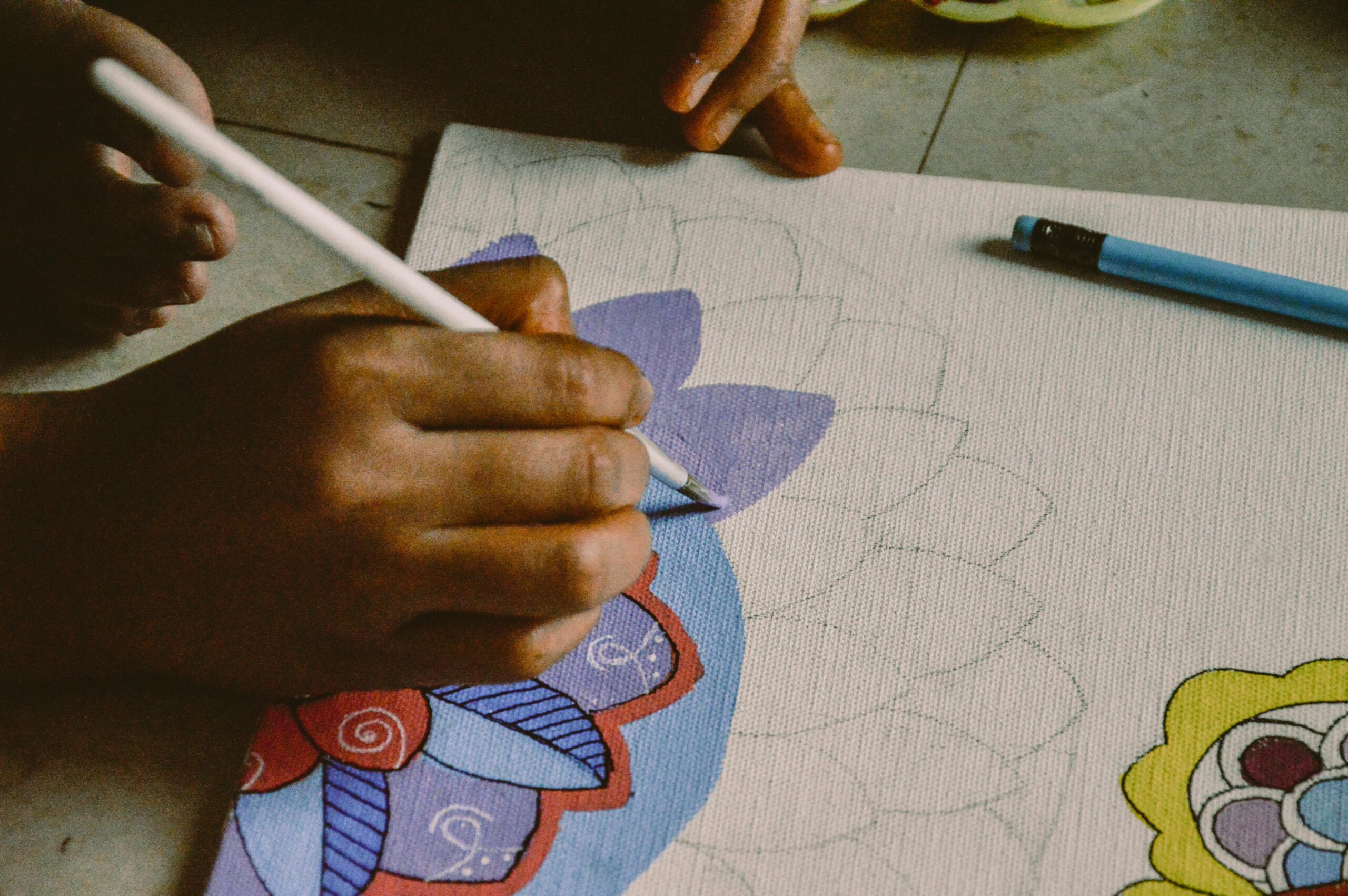
1. Mandala Coloring: Mandala coloring is a soothing technique that can help alleviate stress and anxiety. The repetitive and intricate patterns in mandalas allow individuals to focus their attention and calm their minds. It’s an excellent activity for those feeling overwhelmed or anxious, as it promotes relaxation and a sense of control.
2. Emotion Collages: Creating emotion collages involves cutting out images or words from magazines that resonate with one’s current emotional state. This technique can help individuals identify and explore their feelings. For example, if someone is feeling isolated, they might choose images of loneliness and then gradually incorporate images that represent connection and support.
3. Expressive Painting: Painting with bold and vibrant colors can be an effective way to release intense emotions like anger or frustration. Using large canvas and expressive brushstrokes allows for the physical release of pent-up feelings. The resulting artwork often provides insight into one’s emotional landscape.
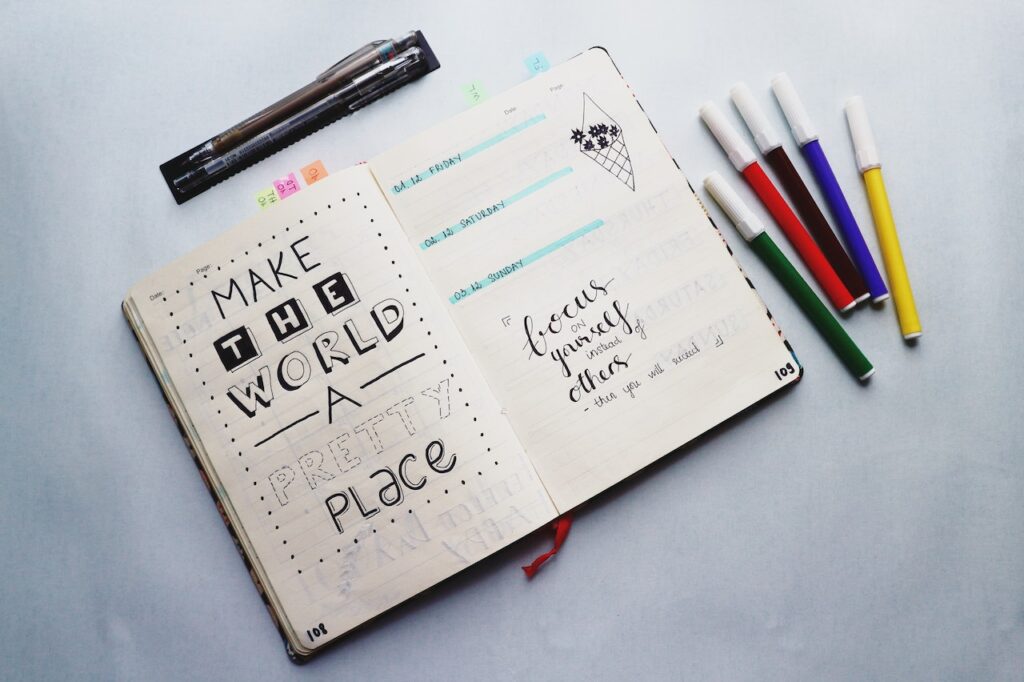
4. Journaling with Art: Art journaling combines written expression with visual art. It’s ideal for individuals who struggle to articulate their emotions verbally. Journaling with art can help individuals delve deeper into their feelings, offering a safe space to explore and process emotions without judgment.
5. Sculpting: Sculpting with clay or other materials enables individuals to mold and shape their emotions. It’s particularly useful for those dealing with grief or loss, as it allows for the creation of tangible representations of one’s feelings. The act of sculpting can be both cathartic and healing.
6. Collaborative Art: Creating art as a group or with a therapist can foster a sense of connection and belonging. Collaborative art projects can be especially beneficial for individuals struggling with feelings of isolation or loneliness.
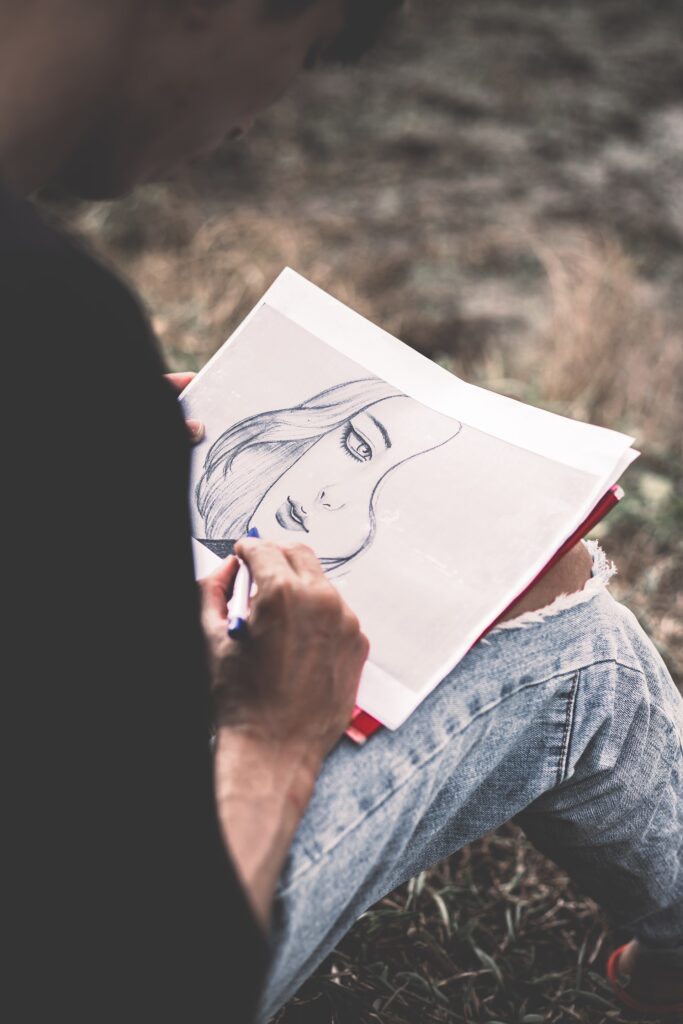
7. Storytelling through Art: Using art to tell a personal narrative or story can be a powerful way to process and share one’s experiences. It’s an excellent technique for individuals who may have complex emotions tied to their personal history.
8. Mindful Drawing: Mindful drawing involves focusing on the process of drawing rather than the final product. It’s a mindfulness-based approach that can help individuals stay present and reduce symptoms of anxiety or rumination.
Art therapy techniques and activities provide individuals with a unique and creative means of addressing and processing their emotions. These methods are especially valuable for those with busy schedules or difficulty expressing their feelings verbally. Whether through coloring, painting, sculpting, or journaling, art therapy offers a safe and therapeutic space for emotional exploration and healing.
Conclusion: Embrace Healing and Growth Through Art Therapy
In the journey of life, we all face moments when we feel stuck, overwhelmed, or lost in the complexities of our emotions. It’s during these times that the transformative power of art therapy shines brightly. This creative and healing path offers solace to those navigating the challenges of a busy and often chaotic world.
Art therapy, with its diverse techniques and activities, provides a refuge for emotional exploration and growth. It invites individuals to connect with their inner selves, to understand and express emotions that may have long remained unspoken. It serves as a bridge between the conscious mind and the depths of the heart.
For those who yearn for personal growth but find themselves constrained by the demands of their daily lives, art therapy offers a sanctuary. It is a reminder that healing and self-discovery are not confined by time or circumstance. Through mandala coloring, expressive painting, or collaborative art projects, we can transcend our limitations and embark on a transformative journey toward emotional well-being.
So, whether you’re a busy professional seeking solace, someone yearning for self-expression, or simply an individual on the path to growth, consider the canvas, the clay, the colors – these are your companions on a remarkable voyage. Embrace art therapy, embrace healing, and embrace the boundless potential for growth that lies within you. Your masterpiece of emotional well-being awaits, one brushstroke, one sculpture, one emotion at a time.
Can You Practice Art Therapy at Home?
Absolutely! Even without a therapist, you can:
- Set a timer for 15 minutes and freely doodle your thoughts
- Create a mood color palette
- Start a creative journal
- Use coloring books to relax the mind
Just like mindfulness, the key is presence—not perfection.
🖌️ You may also love our article Please subscribe us, and comment Below.